
Studio 3 examines issues of program, typology, and site to identify how public architecture represents itself as a cultural and political artifact that can instigate new forms of collectivity, sharing, and solidarity. The studio approaches the architectural typology of the Public Library to question issues of access, sharing, and equity in relation to form and context. Rather than understanding architecture as autonomous from its social, cultural, and political environment, the studio posits that architecture must be integrated to have the ability to transform the systems that envelope it.
The studio uses the contemporary Public Library as a launching point to consider more expansive notions of sharing to emphasize the emerging role of the library as a cultural and social hub. Our goal is to develop projective, speculative experiments that reframe the problems of the contemporary city through architecture.
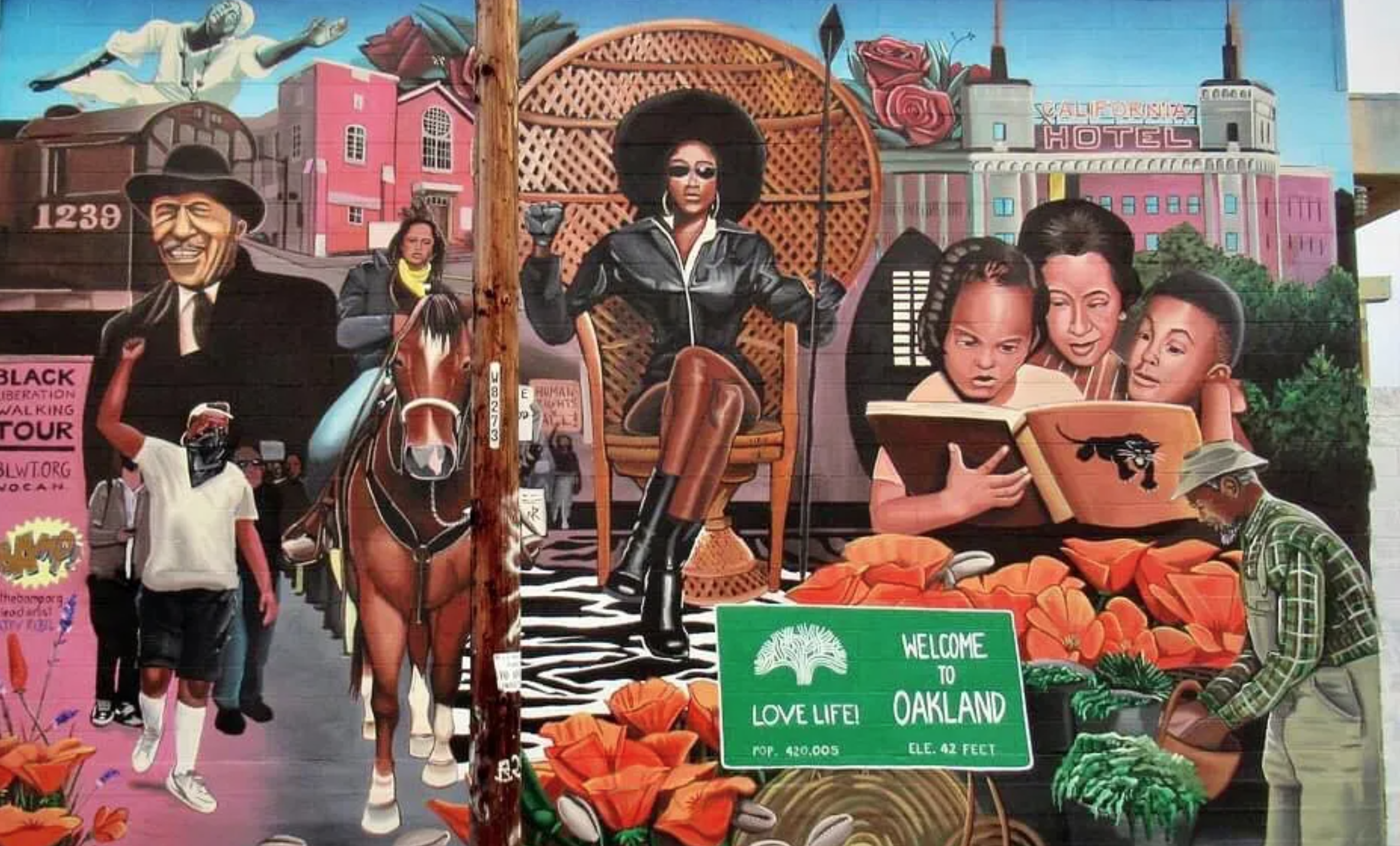
Sited in the San Pablo neighborhood of West Oakland—a neighborhood that once had a Public Library and is slated for a new Public Library—we will engage the site (through both this course and Architectural Analysis) to understand the context, narratives, and needs of the residents. This (small) project raises (big) questions about the role of public architecture in the contemporary city. What is the role of architecture in representing an increasingly fragmented public? How does architecture become the common object within a city with little in common? How can politics be engaged, questioned, and challenged? How can sharing resources reorient public space around new forms of laboring together? How might notions of the urban commons recast alternative relationships in the city that resist commodification?
- Instructor: Neeraj Bhatia
- Instructor: Nataly Gattegno