
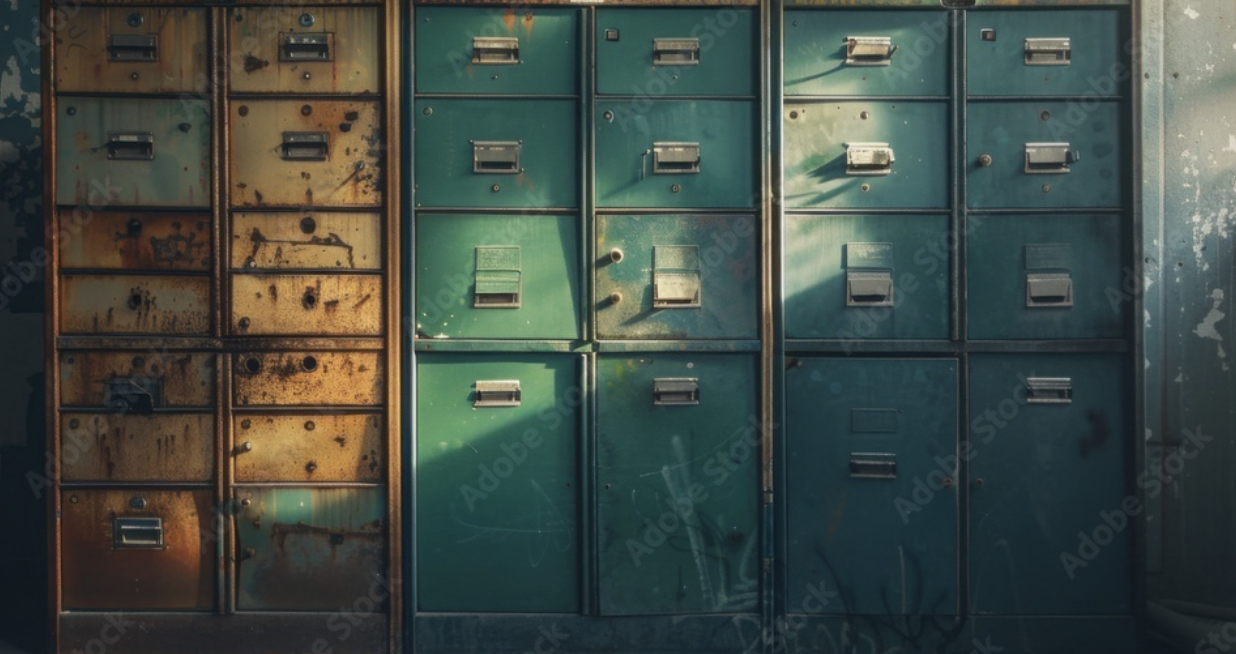
Artists and designers regularly look back to the past for inspiration in their work. The popularity of vintage, second-hand stores, memorabilia, and old photographs, as well as the ever-increasing number of museums and memorials being built, all attest to our culture's obsession with "memory." This seminar will explore how the visual arts engage with memory and history, and how artists are increasingly using archives or inventing archives as part of their creative practice. Memory work, however, is also always an act of forgetting - what kinds of stories are being told and which stories are being forgotten?
Archival projects can be powerful forces of recovering lost histories, or can serve as a possible portal between an unfinished past and a reopened future. What are the processes that enable archives to become animated and transformative? Conventional archives are generally viewed as places for content-specific accumulation of material, but these practices are not necessarily neutral. We will examine the cultural politics of private and public collecting and archiving. While the act of preservation is historically valuable, the potential of a collection can be much greater. Archives can function as open frameworks that allow for the creation of new historical connections and conceptual relationships. In this way, documents and testimonies can generate productive dialogue.
During the course of the semester, students will work in stages towards the completion of a final project that thematically relates to the content of the seminar.
IMPORTANT NOTE:
This class will require a number of field trips to archival collections
and exhibits in San Francisco and the East Bay. Please be prepared to travel on
public transportation for these important class meetings.
- Instructor: Karen (Ren) Fiss