

- Instructor: Sean Negus
- Instructor: Julian Carter
- Instructor: Daniel Ransom
- Instructor: Eddie Yuen
- Instructor: Saraleah Fordyce

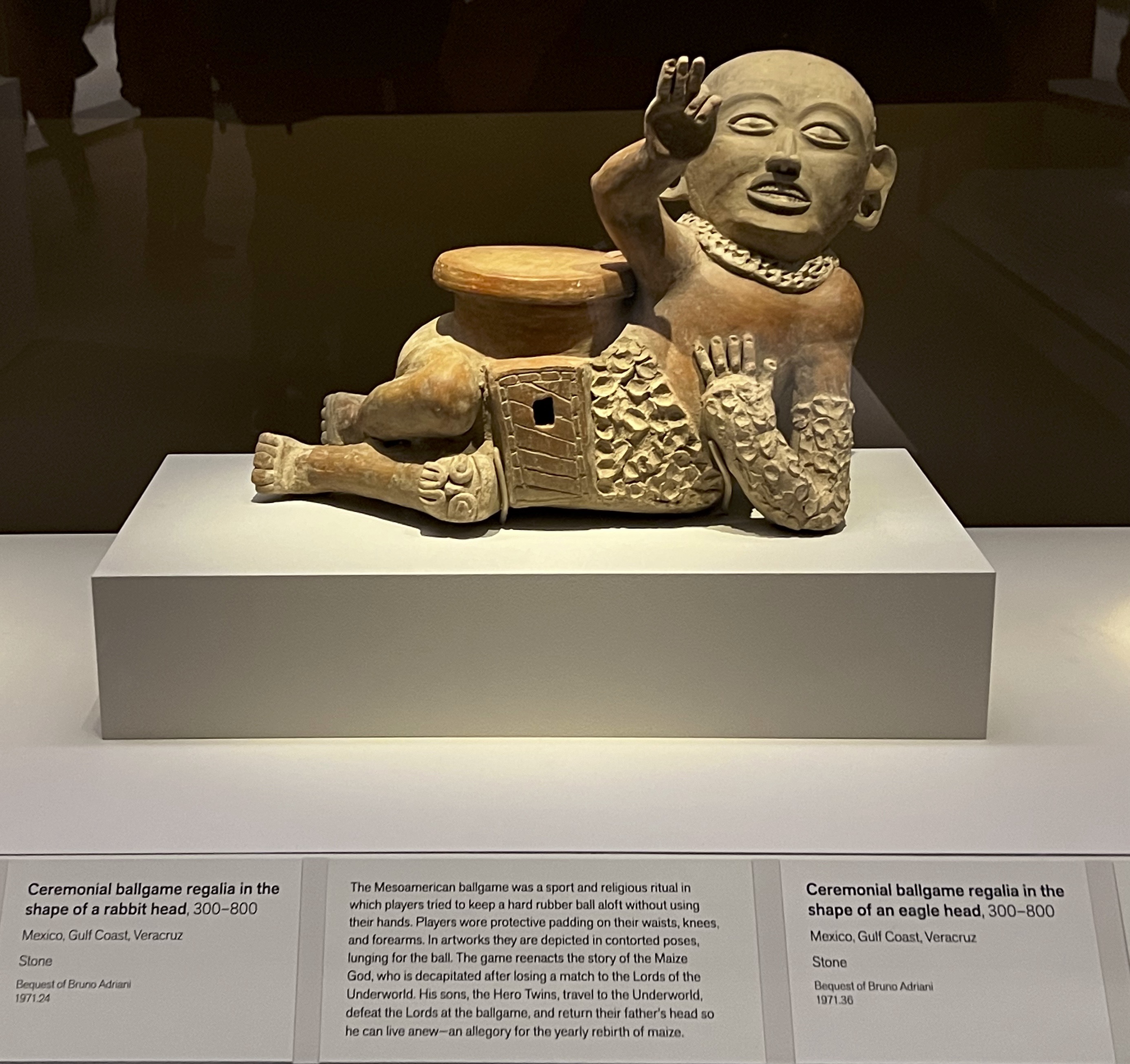

We spend our lives surrounded by animals: they are our pets, our food, and cohabitants of our planet. And yet, our relationships with them are anything but straightforward. Are they commodities that can be bought and sold or our distant relatives on the tree of life? And what do we owe to animals who share our world but cannot voice their consent? In this course, we will examine a series of case studies drawn from a range of cultures and historical moments to examine what looking at animals can tell us about what it means to be human.
Foundations in Critical Studies introduces critical thinking skills essential to college-level work in the humanities and sciences. Students develop their critical capacities through close reading and active response to cultural texts and phenomena drawn from multiple disciplines and reflecting diverse perspectives on major themes or topics in contemporary life.
- Instructor: Laurel Waycott
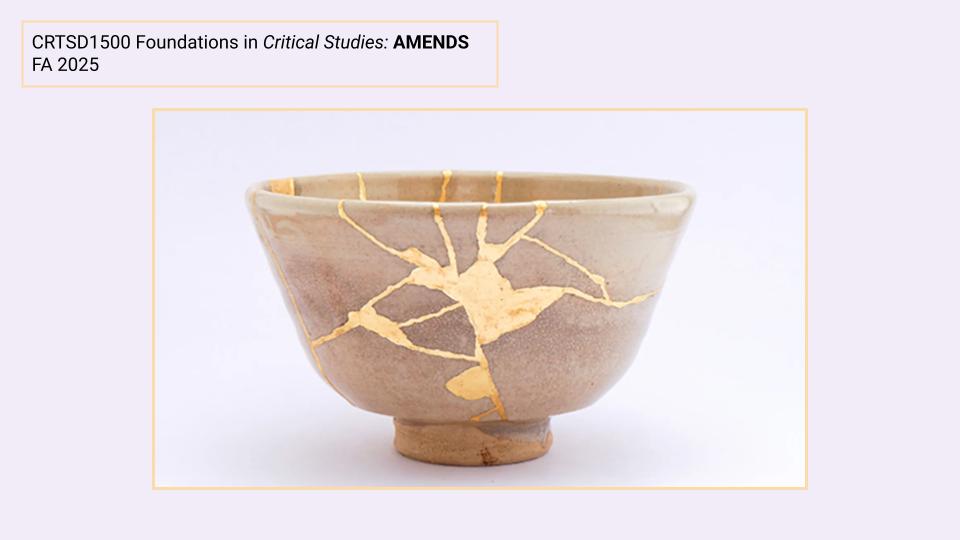
Thematic Description: Amends (We will develop our critical thinking skills by studying this topic.)
What does it mean to make amends?
To amend a fire, or to amend the soil, means to add something to it that strengthens it. To amend a book or a law means to correct errors found within it, or to modify, revise, or alter it. Older uses of “amend” were closer to what we now speak of as “mending”—that is, to repair, or fix; or to repurpose and alter something for a new use. In medical contexts, to amend is to heal or to mitigate symptoms. Often when we speak of amends, we are talking about acts taken to rectify or atone for a wrong that was done, either by oneself, one’s community, one’s ancestors, or one’s nation. As artists, we may ask: how and when does our making become a form of amends?
In this class, we will develop our critical thinking skills by exploring the multiple connotations, metaphors, histories, and applications of amends. We will turn to the work of artists, theorists, scientists, farmers, healers, activists, and spiritual practitioners to discuss practices of making amends (such as mending and repurposing; individual apologies or atonement practices in different spiritual contexts; soil amending, river restoration, or community gardens.) We will study a few social and political movements focused on amends (such as Restorative and Transformative Justice, Reparations, and Land Back). We will study how amends are practiced at an individual, collective, and global scale and consider how these practices might offer useful metaphors and strategies for our own lives and creative practice.
Through close reading and active response to cultural texts and phenomena drawn from multiple disciplines and reflecting diverse perspectives, we will work with a transdisciplinary methodology, reading across and between different disciplines, projects, and movements looking for useful juxtapositions that help us develop our critical capacities.
- Instructor: Rebekah Edwards